Aarav

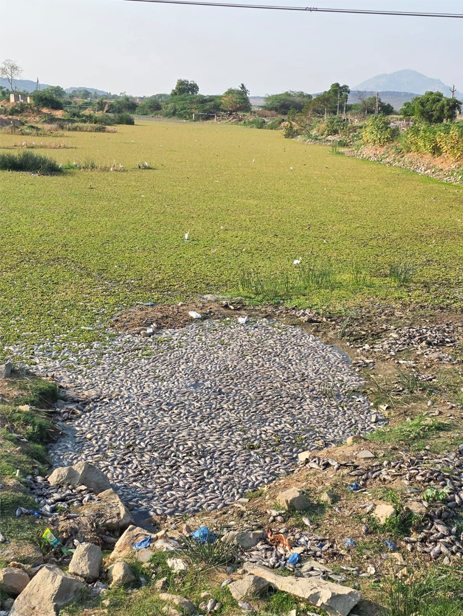
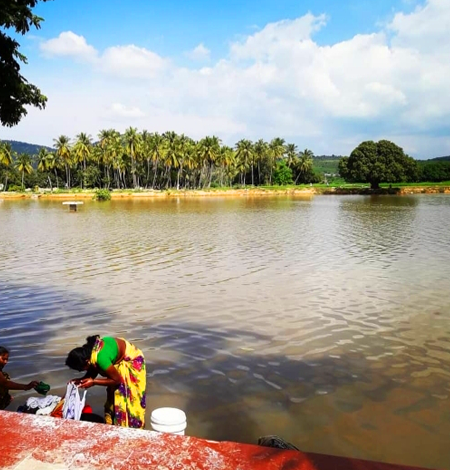
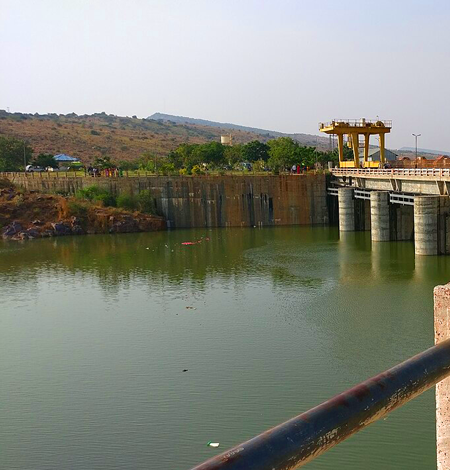
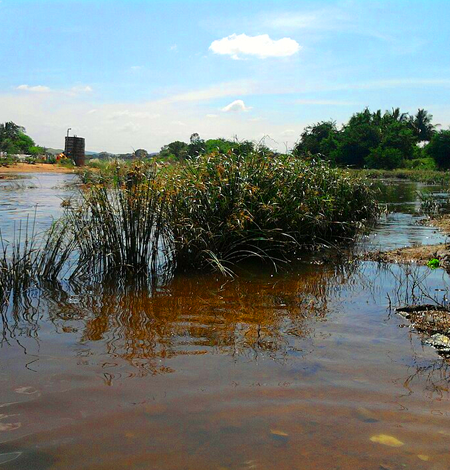
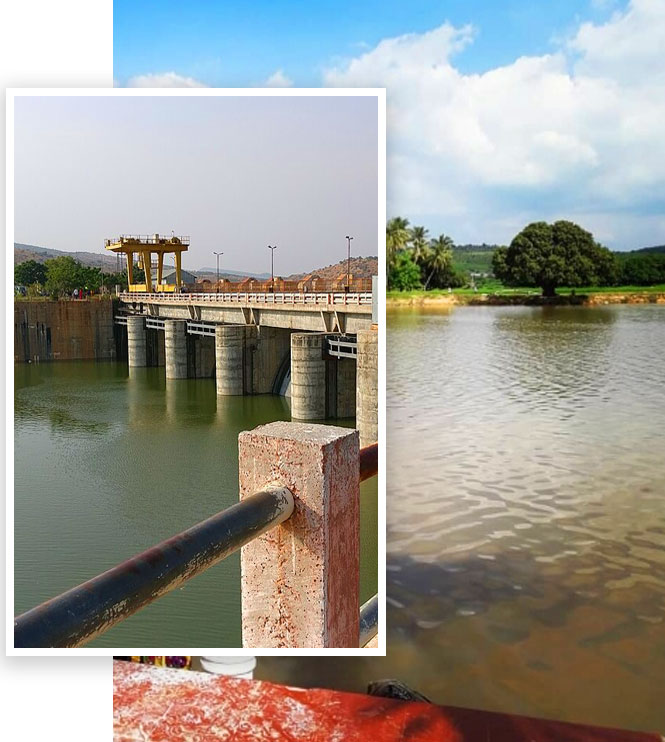
The Chitravathi River, originates from the Nandi Hills, and flows through Puttaparthi, Karnataka, India. Although the Chitravathi river may appear clean, dangerous bacteria and pollutants are contaminating its waters every day because of faulty and untreated Sewage Treatment Plants.
For the communities and villages of Puttaparthi and its surrounding regions, this is more than an environmental issue - it is a growing public health crisis. Contaminated water has already begun to spread serious diseases, harm aquatic life, pose environmental hazards and threaten basic human right to safe water and healthy living.
Know More
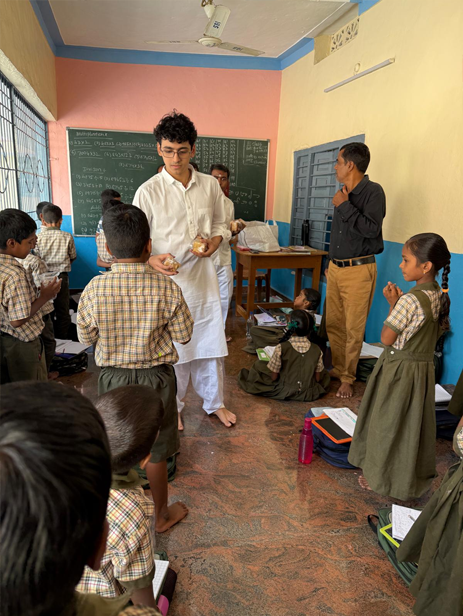
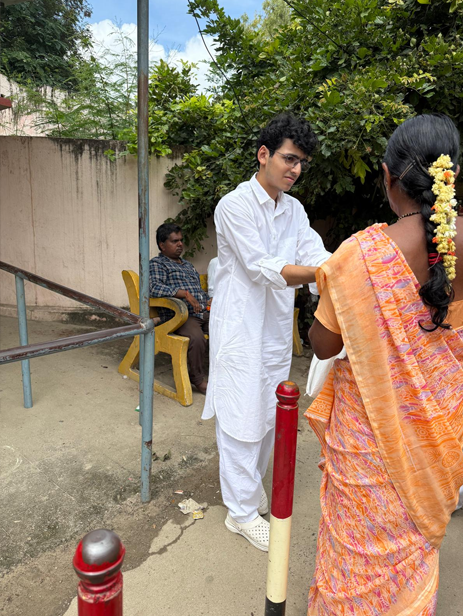
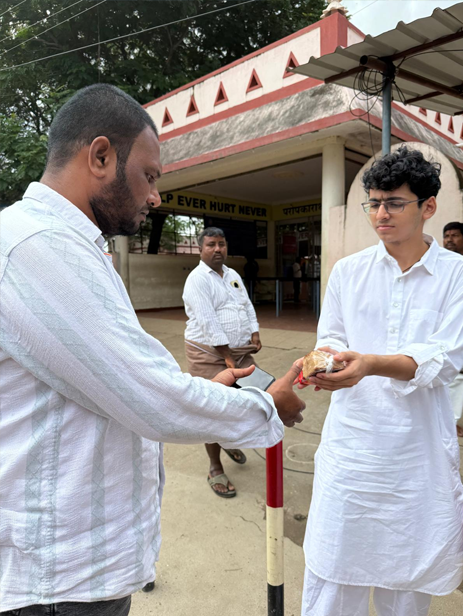
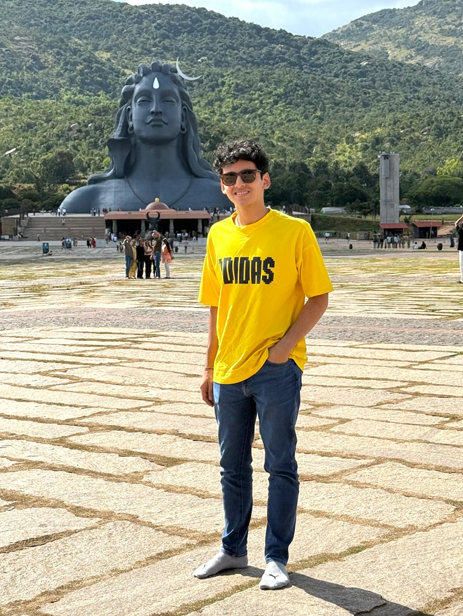
Hi, My name is Aarav Khanna. I am a student at Singapore American School and I created WATER FOR LIFE because I believe every person deserves clean and safe water.
I have been visiting Puttaparthi since my childhood and I am deeply connected to the small town and its simple community. I want to help protect the chitravathi River and raise awareness about water pollution. As right now, 60,000 people are raffected by polluted water entering the river by faulty sewage treatment plant.
Dirty water can spread dangerous deseases effecting the vulnerable population of children and elderly who do not have access to clean drinking water. Also the aquatic life is deeply affected causing environmental hazards.
Through this project, I hope to inspire people to care for our rivers, support water testing, and take community actions to protect our environment.
Together, we can protect and restore the Chitravathi river through, awareness, community action, and support the fundamental right for clean water for all.
Local: Cleaning this river will provide a clean source of water for the nearly 60,000 people living in Putthaparti.
National: According to the World Economic Forum, over 40% of Indians lack access to a clean water source. Our goal is to create a model that can be replicated in other communities across India, which will work to provide a clean source of water for all Indians.
Global: On an international scale, SDG 6 of the United Nations aims to provide clean and affordable water for the global population.
The solution would be to raise USD 50,000 to upgrade the dysfunctional Sewage Treatment Plant(hereafter STP), which is the primary cause of water pollution in the Putthaparti region. This STP upgrade will be conducted by a contracted professionals, namely the The Deccan Enviormental Consultants. Additionally, we will conduct quarterly river clean-ups aimed at removing non-biodegradable waste from the river.
The immediate beneficiaries of this project will be the townsmen of Putthaparti, as they will be provided with a clean source of water. Additionally, due to the underground tunnels present in the Chitravathi river(which runs to other parts of South India) other rural populations in these places will also have a clean source of water. Finally, as we look to create a model that can be repilcated in other parts of India - residents of other communities inspired by this project will also benefit emphatically.
The problem is waste water flowing from the dysfunctional STP.
The solution is to raise funds to upgrade the dysfunctional STP. This is a replicable model that can be applied in communties across India.
Rather than building a new system from scratch, we are working to work on more ‘traditional’ strategies, which are cost-effective and faster.
Beneficiaries include: the population of Putthaparti, other rural populations in South India, and other communities that will benefit from the replicable model.