The purpose of this research paper is to provide a proposal to help cleanse and sanitation of the Chitravathi River. The Chitravathi River originates from the Nandi Hills, located in Karnataka, India. Although the Chitravathi looks clean and healthy, it is polluted by unhealthy and hazardous bacteria entering the river via untreated Sewage Treatment Plants. This unhealthy water can pose a major threat to the health and right to life of the population of Putthaparti, and potentially other parts of India as well. The aim of the project is to create a highly effective, low-cost model which can be implemented in other communities across India. The model will be based on a biochemical solution containing coagulants and disinfects, which can help sanitise unhealthy areas of the river. We also want this to serve as a basis for future legal entities that will be drafted regarding the poor sanitation and limited access to clean water in India, which is a constitutional right (the right to life, which includes access to clean drinking water). However, the quest for access to clean water is not, by any means, an Indian issue; in fact, the United Nations has highlighted in its UN Sustainable Development Goals that all individuals should have “availability and sustainable management of water and sanitation for all (SGD6).”
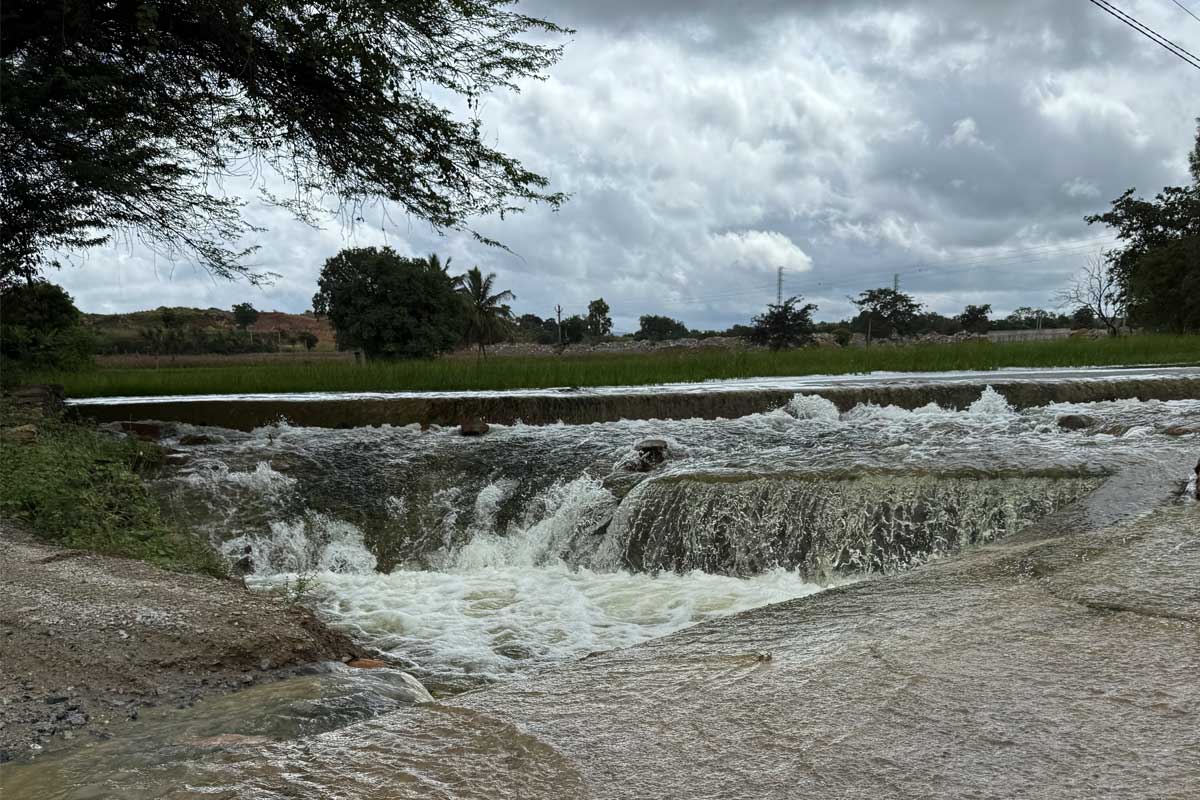
The Chitravathi River is a sacred river located in southern India. The river serves as an important religious and aquatic body. The reason for this is due to the presence of underwater tunnels and pathways; the water in Chitravathi also flows to important cities such as Chennai, Bangalore, and other parts of South India.
The Chitravathi then becomes a tributary of the Pennar River, which is crucial for the circulation of water in multiple rural and urban areas in southern India.
According to a 2019 World Economic Forum report 40% of Indians don’t have access to a clean source of water, in fact, Indians alone make up a large percentage of the global population(who don’t have access to clean water). The Cleaning and treatment of the Chitravathi River will be a significant “game-changer” in the quest to provide a clean and safe source of water, further enhancing India's aquatic development. Our goal is to create a replicable low-cost model that other communities in India can adopt.
As mentioned previously, the pursuit of clean water is an international goal. According to SDG6 in the United Nations' Sustainable Development Goals, one must ensure the “availability and sustainable management of water and sanitation for all.”
The vision of our travel agency is to create unforgettable experiences by curating personalized and immersive journeys that inspire wanderlust and foster a deep connection with diverse cultures and destinations around the world.
The problem statement regarding this issue is that Chitravathi is being polluted by sewage water from the water in and around the Puttaparti region.
Solution - The "Revitalisation" Model (Infrastructure Repair)
The first option would be to raise sufficient funds to repair or construct the STP, which is currently not operational. SHRIF would need to provide us with a number. This process would include the replacement of critical components (e.g., pipes, pumps) and, hopefully, the ability to fund a 6-month operational construction of the STP
If the problem is related to the absence of a fully functioning STP, it would be more effective to refer to Solution A, which involves raising funds to design and construct a better STP.
However, if the problem is with regard to the STP itself, then Solution B is a more rational option, as we can help navigate the dangerous bacteria and viruses coming out of the STP and sanitate unhealthy parts of the river.
The byproduct of these solutions would be filing a petition in a High Court, which would urge legislators to apply the solutions used for the Chitravathi river on a wider scale in other communities across India.
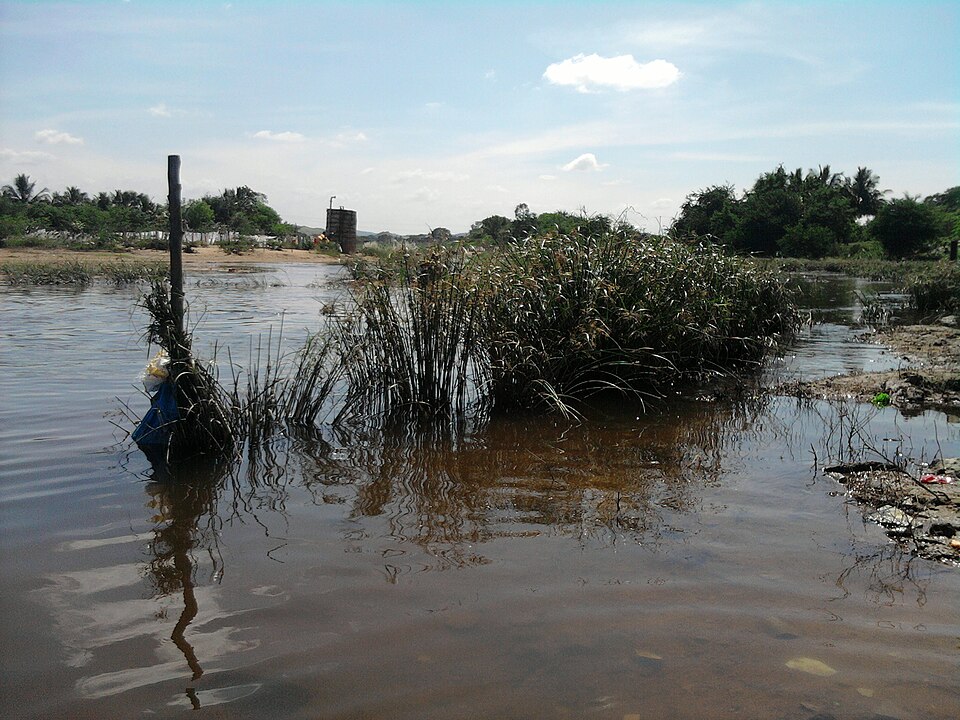
Putthaparti has a population of 15,000 people; cleaning this river will significantly affect the population. The impact of clean water on a community's standard of living is well-documented. Nations such as Singapore and Denmark have demonstrated that a foundational commitment to water and sanitation leads to significant improvements in public health and economic well-being.
Take Singapore, for example: in 1965, Singapore received independence, and at the time, the state of the water in Singapore was terrible to say the least. At the time, only 45% of the population had access to sanitised water. However, today Singapore has the cleanest water in the world. This improvement in water and sanitation has significantly enhanced the quality of life for all residents in Singapore. The significance of this journey demonstrates that even small places can achieve substantial advancements in the accessibility and availability of clean water. Furthermore, access to clean water significantly improved the standard of living for all Singaporeans
My goal for the Chitravathi is to develop a low-cost, cost-effective model that will not only provide people in and around the Puttaparti region with access to clean and sanitary water but also serve as an easily implementable solution for many similar rivers across India.
This model will incorporate purification technologies (i.e., biochemical solutions) tailored to local needs, ensuring both safety and sustainability. In addition to addressing immediate water quality concerns, this project aims for this solution to be easily adaptable and implementable in similar riverine areas across India, where water contamination is a pressing issue.
In the long term, the project's vision is clear and ambitious: every individual in India should enjoy equitable access to five core essentials— clean water, nutritious food, fresh air, high-quality education, and secure and comfortable shelter. These fundamental needs are essential not only for individual well-being but also for fostering healthy communities and promoting sustainable development. By addressing these basic human rights, we can create a more just and thriving society for all.
As mentioned earlier, my solutions to this problem include creating a low-cost, cost-efficient biochemical product that will help combat the dangerous chemicals circulating in the river water and work to sanitize unhealthy parts of the river. Through our research, we have understood that chemicals such as coagulants and disinfectants can be massive combatants of poor sewage. Coagulants include chemicals such as aluminium sulfate and ferric chloride. Disinfectants include chemicals such as chlorine and hydrogen peroxide.
If we create a solution that encompasses the chemicals listed above, we can potentially battle the untreated sewage and sanitise the untreated areas of the river. During the production of this biochemical solution, we aim to utilise the biochemical testing facilities and production facilities that SSSRIF offers.
The way these chemicals work to disinfect the water is through processes known as oxidation. Oxidation is the process in which “an oxidizing agent, like chlorine, accepts electrons from microbial cells, damaging their structure and killing them.” This process is a well-established technique, commonly used for water and sanitation purposes. Additionally, we will launch an education campaign in the Putthaparti region to raise awareness about this issue. This will have the impact of ensuring that the next generation of young people does not repeat the mistakes made by their predecessors.
👉 (Solution 1) Goal 1:
Immediately improve the health and water quality for 15,000 residents by eliminating/reducing the discharge of untreated sewage into the primary river stretch
👉 Metric: "Before" and "After" water quality tests proving a [70%+] reduction in E.coli and other key pollutants
👉 (Solution 2) Goal 2:
Create a replicable, open-source “water cleaning” model. Metric: Publish "The Project Cleanflow Model," a comprehensive research paper detailing the process, costs, and results to be used as evidence for a High Court petition. As well as providing a basis for implementing this model in other communities in India.